
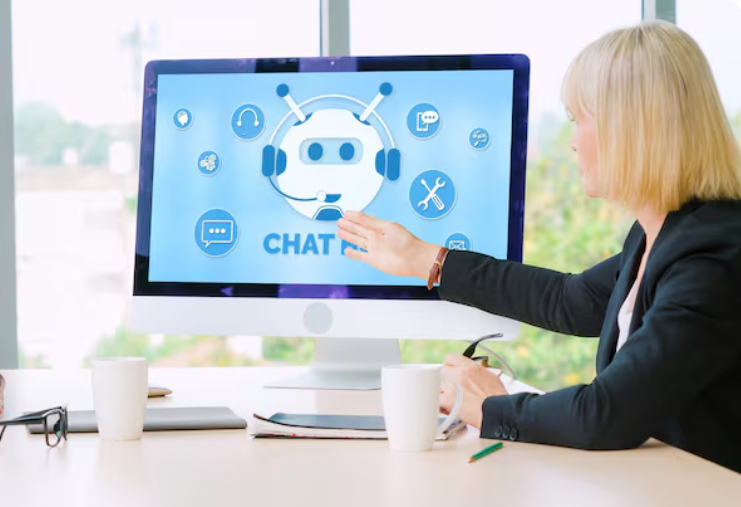
It seems like texting a friend when you buy something online. People ask questions in chat and expect quick replies. If help is delayed, they leave. That's why a lot of teams are trying out an AI sales bot with live chat.
The hard part is figuring out when automation is helpful and when it's worth the extra money to hire a human person. This article will explain how an AI sales bot works, what live chat does best, and how a mix of the two can safeguard your income and keep your clients happy.
It helps to see how each tool works on a busy day before you decide where to utilise automation.
An AI sales bot is made to handle the same queries over and over without becoming tired or angry. It gets responses from your product catalogue, price tables, and knowledge base. A well-trained AI sales chatbot can explain shipping alternatives, bundle suggestions, and basic troubleshooting with the same level of patience at 2 a.m. as it can at midday.
Studies demonstrate that chatbots can automatically answer 79–80% of basic questions. This lets human agents focus on more complicated sales interactions and problems.
When things are messy or emotional, live chat is the best. A human agent can interpret tone, ask more questions, and change a policy when it makes sense. Research suggests that live chat gets satisfaction levels of about 85–88%, which is better than email and phone for many clients since it feels more personal and responsive.
When the stakes are high, such as when a buyer is angry, a human on live chat will nearly always do better than an AI sales chatbot.
Letting an AI sales bot initiate the dialogue and then handing it off at the proper time is when the real magic happens. The bot gets information about the situation, asks a few questions to make sure it understands, and then gives quick resources. It sends the conversation to live chat when it detects hostility, perplexity, or a high-value trade.
This hybrid strategy doesn't employ chat automation as a wall; it uses it as a filter. Platforms like Linka.ai let you make those hand-off rules easier so that clients feel like they're being steered instead of stuck talking to software.
When speed and volume are more important than nuance and emotion, automation makes the most sense.
An AI sales bot is a perfect first line of assistance if most of your interactions are about shipment times, product availability, or resetting passwords. Chatbots can quickly fix common problems and keep service going after your office shuts.
When brands add 24/7 coverage to their AI sales chatbots, they get 20–30% more sales since customers don't leave when no one is available. For small teams, this form of chat automation is sometimes the only option to realistically cover nights and weekends.
You can't afford to waste clicks if you're getting a lot of bought traffic. In this case, an AI sales bot acts like a kind host, asking short questions to see if visitors are interested and getting their contact information. When the flow is set up correctly, some studies show that bots can turn 28–30% of visitors into leads.
A sophisticated bot scores intent, identifies interests, and delivers warm leads into your CRM, instead of just getting an email address. This variation in lead quality is what makes certain "AI bots for sale" online legitimate revenue tools and others just gimmicks.
An AI sales bot can be like a silent personal shopper, especially on mobile. It proposes products that are relevant, answers questions, and reminds users that they still have things in their cart. Data shows that customers who get advice from chatbots are almost four times more likely to make a purchase than those who are just browsing.
Some e-commerce companies have seen conversions go from 3.1% to 12.3%. In this case, an AI sales chatbot is less about saving money and more about making things easier at every level of the funnel.
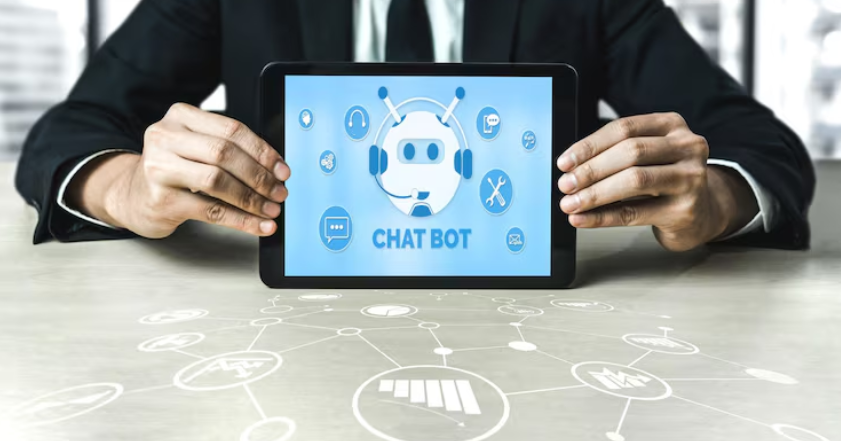
Even if you appreciate automation, there are times when a bot isn't the right tool.
You want live chat to be front and centre if the sale is big, custom, or politically sensitive inside the client's firm. A person on the team can tell when someone is unsure, bring in an expert, or change an offer on the spot.
An AI sales bot can get things started with discovery questions, but a person should be in charge of quoting, negotiating, and giving final permission. It's dangerous and occasionally tone-deaf to automate conversation for B2B deals that are complicated and don't follow a script.
Live chat assistance should step in when a customer is upset, doesn't understand a charge, or is dealing with anything private, like health data or money problems. More than half of customers say that talking to a real person is the only way to properly fix their problems, and many are willing to pay more to avoid bots for significant situations.
When this happens, a simple sales chatbot isn't adequate. The AI sales chatbot can recognise the problem and then immediately escalate instead of trying to "win" the conversation.
Some clients are okay with automation, but a lot of them still prefer to talk to a real person before making a decision. One survey indicated that 65% of users favour self-service, but a lot of them still want to talk to a person before making a final decision.
Live chat helps you create trust for big purchases or long-term commitments. You can still allow an AI sales bot to manage simple conversations, but when the customer is going to sign, a human should be in charge of the keyboard, not AI bots for sale that are running on their own.
Make a detailed plan for how both will work together instead of picking one or the other.
Start by writing down the primary places where people can start a chat: the pricing page, the demo page, the support centre, and the checkout page. Choose where the AI sales bot should greet people first and where live chat should be the default.
Let the AI sales chatbot take the lead for low-risk screenings, like a basic FAQ. For billing modifications or cancellation flows, go straight to a live agent. Linka.ai and other tools can help you set up rules so that conversation automation follows a clear path instead of making random guesses about what clients want from a sales chatbot.
Handoffs should not be left to luck. Make clear rules: if the mood changes, if the conversation goes on for too long, or if the potential for sales goes up too much, switch from the AI sales bot to live chat. Make sure the bot gives a short summary so that the person doesn't have to ask the same questions again. This easy step cuts down on frustration and helps build trust that automation can sometimes hurt. It also makes AI bots for sale feel like real team members instead of just tools.
There should be one scorecard for both AI and people. By channel, keep track of response times, client satisfaction, conversion rate, and average order value. Studies show that live chat may have satisfaction levels close to 88%, while chatbots can increase conversions by 10% to 100% and take care of most regular problems. The goal is not to "prove" that an AI sales chatbot is better than a person.
You need to find out when each method performs well so you can use chatbots for sales flows where they operate best and save human efforts for times when empathy really makes a difference.

It's easy to get sidetracked by dazzling features when there are hundreds of products to choose from.
When you look at an AI sales bot, you should first look at three things: how quickly it answers questions, how many sales it makes, and how much it costs to handle each interaction. Forget about the packed comparison charts for a second and think about whether the tool really makes those numbers better.
If an AI sales chatbot can't tell you how it will help with response time and sales, you generally shouldn't buy it. This way of thinking makes it easy to tell the difference between real platforms and generic AI bots for sale that appear good but don't perform much.
A small workforce doesn't need the same things as a big call centre. If you simply have a few salespeople, you want an AI sales bot that is quick to put up, uses the content you already have, and gives you clear metrics.
Linka.ai and other platforms allow sellers to set up specialised chat automation on websites and social media DMs without needing a big IT team. For their sales stack, bigger firms could want their chatbot to have more intricate routing, deeper integrations, and more comprehensive segmentation.
People who buy things these days don't only talk on your website. They give you messages through advertisements, Instagram DMs, and link-in-bio experiences. You won't be able to have these conversations if you solely use an AI sales bot on your homepage.
Find tools that let the same AI sales chatbot work with online chat, social media DMs, and even messaging applications. This way, your chat automation and live chat teams can all see the same picture. This larger picture lets you see how many sales now start with a simple question in chat.
The argument is not "robot versus person." "Where should each one shine?" An AI sales bot is great for answering the same questions over and over, getting leads, and helping people who purchase at night and want speedy responses. Live chat is best when things are tense, when a lot is at stake, or when trust is low.
Data reveals that both tools can make more money and make people happier if they work together instead of against each other. Your customers will feel supported instead of being bounced between channels if you plan their journeys, create clear handoff rules, and keep track of shared KPIs.
If you are ready to experiment with this hybrid approach, explore how ai sales bot technology and live chat can work together with a platform like Linka.ai, and let your customers enjoy fast answers without losing the human touch.