.webp)
.webp)

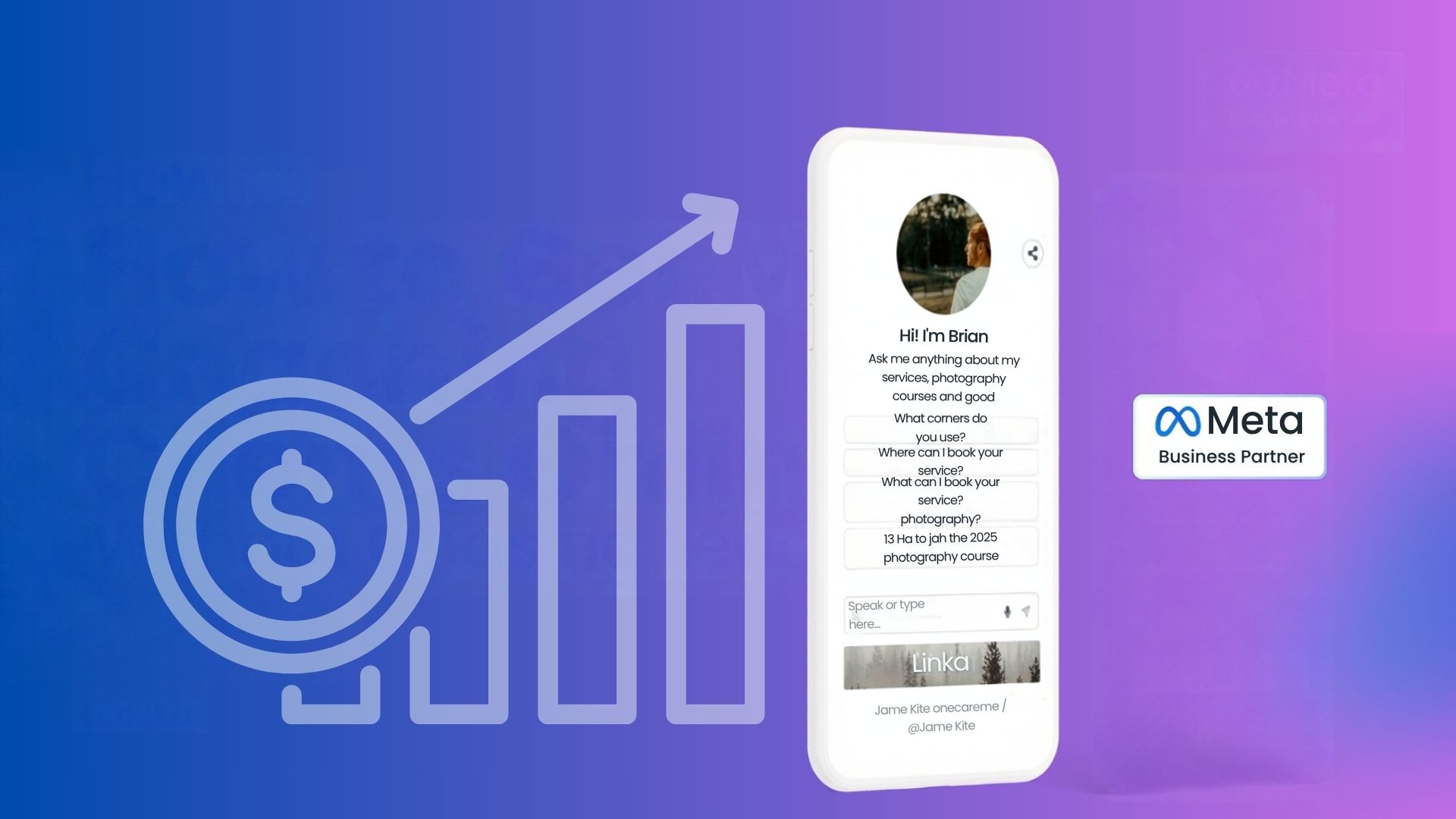
Chatbot use cases went from novelty to necessity the moment conversation became the front door to almost every digital experience. When your next client might tap a story, click a link, and expect an instant reply within seconds, the businesses that win are the ones that turn those moments into real relationships rather than missed opportunities.
For service brands, an AI chat agent is often the first team member that can greet every visitor, remember what they care about, and guide them toward the right offer without feeling robotic. Chatbot use cases for service businesses all come back to the same goal of turning anonymous clicks into real conversations that actually lead somewhere.
Attention is scarce, intent is fragile, and people expect an answer the moment they show up. Here's how service businesses are actually using them to drive consistent revenue.
What's the Difference Between a Basic Chatbot and an AI Sales Agent?
Before diving into specific chatbot use cases, it's worth understanding what separates an AI sales agent from a standard chatbot. A basic bot mimics a menu or handles a handful of pre-set questions. An AI sales agent is more like a trained digital teammate. It reads your content, learns your offers, and uses conversation to move people through a buying journey.
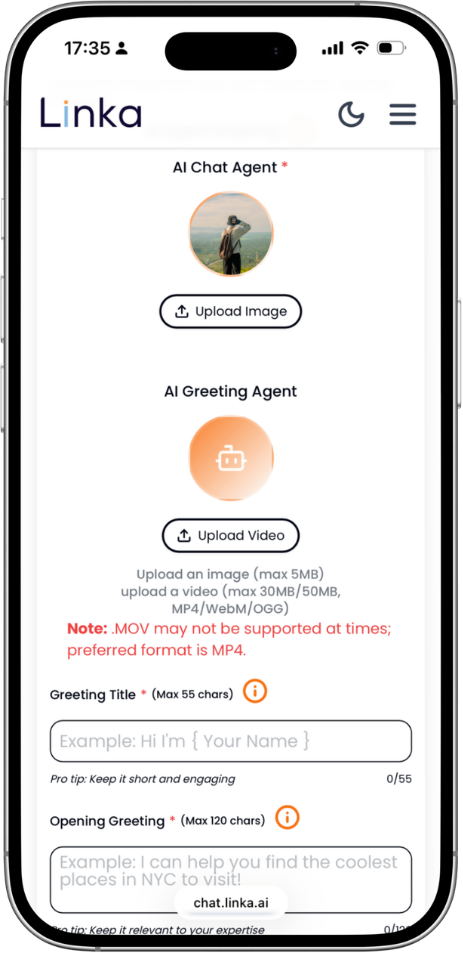
With Linka, you build your own AI from your existing content. Your service pages, product descriptions, FAQs, case studies, and even email scripts become the knowledge base your agent draws from. What you get is an agent that sounds like you, knows your audience, and can navigate all kinds of different conversations without feeling like a script.
For service businesses, this matters more than most people realize. When someone is looking at hiring a coach, consultant, or agency, they're not just gathering information. They're deciding whether they trust you, whether you're the right fit, and whether now is the right time. An AI sales agent can respond like a knowledgeable assistant who knows your process, understands your pricing tiers, and can gently guide someone toward a discovery call or package that genuinely matches their situation.
Revenue depends on relationships, but the volume of messages, DMs, site visits, and inquiries keeps growing faster than any founder can keep up with. An AI agent resolves that tension. It takes on the repetitive, high-volume first touchpoints so your time and energy stay focused on the conversations that actually move revenue forward.
What Are the Highest-Impact Chatbot Use Cases for Service Businesses?
Most service brands see the biggest lift from chatbots when they focus on high-intent moments. These are situations where someone is close to taking action but friction or uncertainty pulls them back. There are dozens of chatbot use cases, but these five consistently drive the most revenue for service businesses.
1. Lead capture and pre-qualification
Instead of a static form at the bottom of a page, your AI agent greets visitors, asks what brought them there, and listens for buying signals. It collects name, email, and key details as part of the conversation, then routes high-intent leads to your calendar or checkout.
A business coach, for example, can set up an agent that asks about current revenue stage and goal timeline, then offers a discovery call only to people who match the program's criteria.
2. Appointment booking without friction
Most service businesses need calls or sessions to move deals forward, but the path to booking often introduces unnecessary friction. An AI agent can offer calendar times directly in the conversation once interest is clear, handle basic intake questions upfront, and manage reschedule requests without a back-and-forth email chain. The result is a calendar with better-prepared attendees and fewer no-shows.
3. Pre-sales Q&A that reduces drop-off
Every service business fields the same questions over and over. "What's included?" "Is this right for my situation?" "How long until I see results?" An AI agent built from your existing copy answers these consistently and can pull from your case study library to address objections with real examples, without requiring your involvement every time.
4. DM funnels and social media lead capture
For brands that generate attention on Instagram and other social platforms, DMs are the modern front desk. When someone replies to a story or comments a keyword, an AI agent steps in immediately with a structured conversation, captures contact details, and routes serious leads to your calendar. The DM backlog problem, where hundreds of messages pile up unanswered, effectively disappears.
5. Affiliate and creator revenue flows
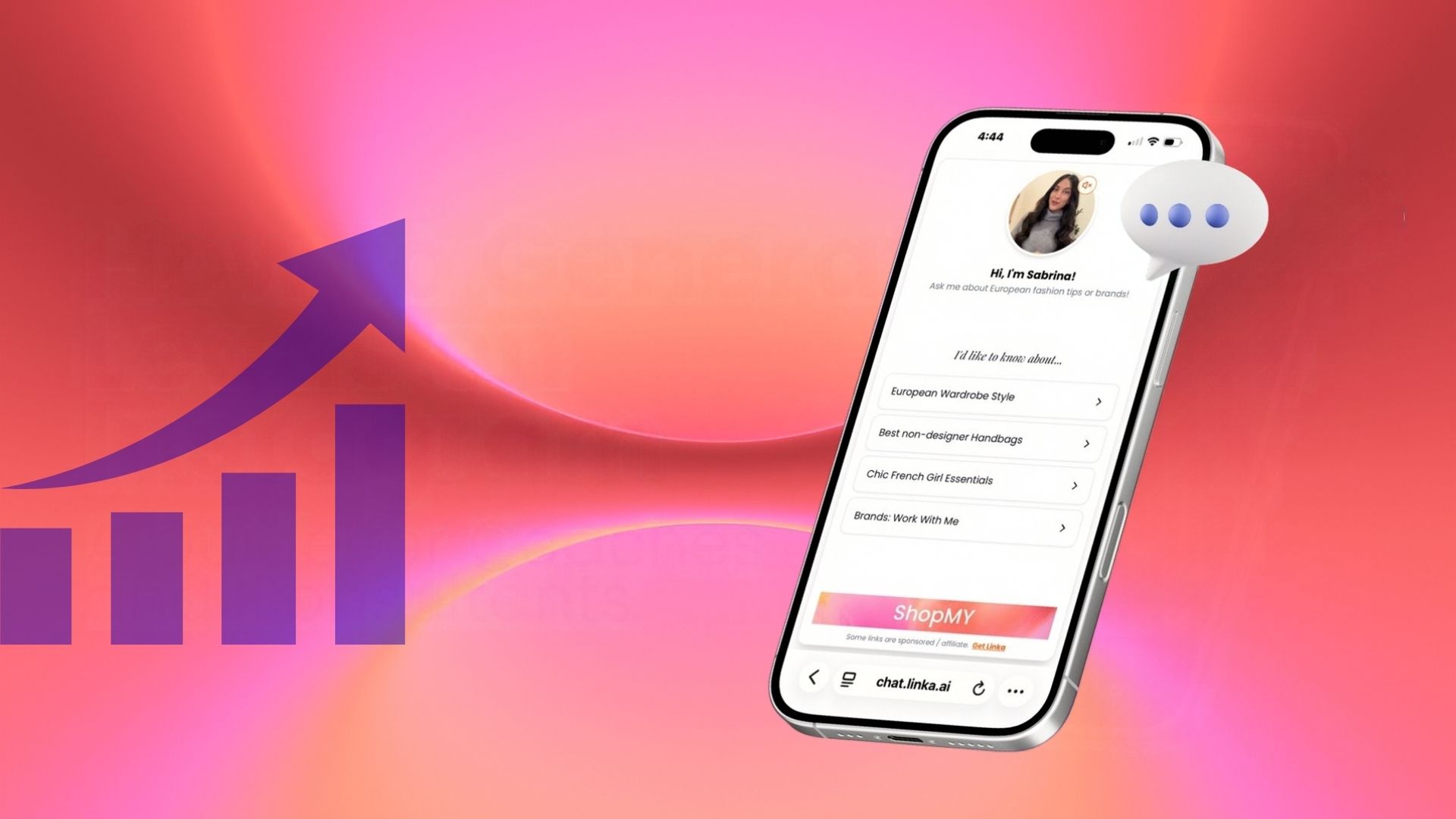
For creators and affiliates, chatbot use cases often center on turning existing content into interactive buying guides. Instead of sending someone to a static page with a list of links, an AI agent asks about their situation and recommends the right product or program for their specific needs, with tracking in place.
How Do DM Funnels Work as Chatbot Use Cases?
DM automation is one of the most impactful chatbot use cases for service businesses that generate attention on social platforms. The mechanism is pretty simple. When someone takes a specific action (e.g., commenting a keyword, replying to a story, or clicking a quick-reply button), it kicks off a structured conversation that qualifies their interest and moves them toward a next step.
The best AI sales tools work like this:
- Keyword-triggered offers. You invite followers to comment "READY" on a post, and your AI agent automatically opens a DM, asks a couple of qualifying questions, and drops a booking link for qualified leads. The entire mini-funnel runs inside someone's inbox without requiring manual effort on your part.
- Story reply nurture. A follower reacts to a story about a recent client result. The agent follows up, asks if they'd like a full breakdown, sends the case study link, and offers a short discovery call if they're facing a similar challenge.
- Lead capture events. You host a free challenge and invite people to DM a specific phrase to join. The agent adds them to the sequence, guides them through the experience, and surfaces a paid offer at the end when trust has built naturally over the course of the event.
When you use an AI sales agent, these flows are built once and run consistently regardless of how many conversations are happening simultaneously. You teach the agent your process and your voice, and it handles the execution.
How Do Creators and Affiliates Use Chatbots to Drive Revenue?
For creators and affiliate marketers, the most valuable asset is often a library of content already built. That content typically sends people to static pages where the conversation ends. A custom AI agent changes that pattern by living at the end of every link and inside every recommendation.
For creators and affiliates, chatbot use cases tend to cluster around a few proven patterns:
- Turning product review pages into interactive shopping guides where visitors describe their situation and receive personalized suggestions
- Giving affiliate readers a way to explain their goals and receive a specific tool recommendation rather than an overwhelming list of options
- Capturing subscribers and segmenting them by interest based on what they ask in the conversation
- Tracking which conversation paths lead to which affiliate clicks and sales, so content strategy can be refined based on actual behavior
With Linka, you build your own AI from your existing reviews, tutorials, and frameworks. Instead of sending traffic to a static article, you send them into a living interface that understands your offers and your audience. When someone clicks your link in bio after watching a product walkthrough, your agent is already there to answer their follow-up question and recommend the right option.
This is where custom AI has changed how creators monetize their content. The shift isn't about posting more; it's about having better conversations at the moments when someone's intent is highest.
Where Should I Start with Chatbot Use Cases for My Funnel?
If you're deciding where to begin, think of your funnel not as a single journey but as a series of conversations that repeat over and over. Those repeating moments are where an AI agent makes the biggest difference first.
Here’s a practical starting point:
- Identify the three most common questions prospects ask before buying or booking.
- Figure out where those questions tend to come up, such as your website, DMs, emails, social comments.
- Pick one or two places where response time and consistency matter most.
- Start with an AI agent there, then expand once you see the impact.
If nearly every sale starts with someone asking "Which service is right for me?", that's the perfect conversation to hand to an AI agent trained on your own guidance. Over time, as the agent handles those early exchanges, you'll see patterns in what questions come up, what objections repeat, and which answers actually move people forward. That data makes your content, offers, and positioning sharper.
Turn Everyday Conversations Into a Revenue Channel
When you’re ready to stop leaving money in unanswered messages and half-finished funnels, launch your own agent in a single afternoon and let it turn your next visitor into your next client on autopilot.
To see how this looks in practice, explore Linka's features or walk through a demo to see an AI sales agent working through real inquiries.
If you're tired of leaving money in your DMs and on your website, Linka was built for exactly this. Try it free →
.webp)