.webp)
.webp)

Most coaches didn't launch their business because they loved marketing. They launched it because they had a genuine ability to help people move through something difficult, see themselves more clearly, or build something they'd been putting off for years. The coaching itself comes naturally. Knowing how to get clients as a coach is where that confidence often goes quiet.
That gap between doing excellent work and building a full calendar is where a lot of talented coaches lose momentum. It's rarely a skills problem. It's a systems problem, and in 2026, the coaches who've recognized that distinction are running very different businesses from those still waiting for referrals to carry them through every month.
Why Getting Coaching Clients Feels Different Now
Getting clients as a coach today requires a message specific enough to resonate, a presence that's findable when people are actively searching, and an intelligent layer that keeps conversations moving even when you're not available. When those three things work together, building revenue through your coaching business stops feeling like a monthly scramble and starts feeling like a system you can trust.
The steps below focus on niche positioning and content that matches buyer intent. For the wider client acquisition system, see the complete coaching client guide.
The coaching market is larger and more competitive than it's ever been. Thousands of coaches entered the space over the last several years, which means the average prospective client is now navigating a crowded field before they ever send a DM or book a call. They've seen generic promises scroll past their feeds before. They've sat through vague discovery calls that felt more like sales pitches in disguise. They're more discerning, and they make decisions faster, often in the span of a few minutes spent on someone's profile or website.
Coaches who positioned broadly even a few years ago and did reasonably well may be struggling now because client expectations sharpened. People want someone who clearly understands their specific situation rather than just their general category of problem. They want proof in the form of specific outcomes, and they want answers quickly, because their attention doesn't linger long on any one thing.
This shift in buyer behavior is precisely why so many coaches who are posting regularly and doing all the right things still feel like they're not gaining traction. Knowing how to get clients as a coach in this environment starts with understanding that the problem isn't activity. It's the infrastructure around that activity.
What Do Coaches Who Consistently Book Clients Have in Common?
The coaches filling their calendars aren't necessarily the loudest on social media or the most followed in their niche. What they share is a level of clarity and infrastructure that most coaches underinvest in, because it's easier to keep posting than to stop and build something more deliberate.
A few consistent patterns emerge among those who convert at a high rate:
- Specific Transformation Language: They can describe exactly who they serve and what changes for that person, in words their ideal client would use about their own life, not in abstract coaching-speak that could apply to anyone.
- Buyer-Intent Content: They're not just creating content that earns engagement. They're creating content that answers the questions someone asks right before they're ready to hire a coach.
- A Conversion Layer That Works Without Them: Their site, bio link, and social presence connect to something intelligent that engages visitors, answers questions, and moves people toward the next step without requiring the coach to be available at that exact moment.
- Specific Social Proof: Results with real context outperform general praise at every stage of the buying decision. "I landed my first three corporate clients in five weeks" reads very differently than "working with her changed everything."
- One or Two Channels Done Well: Rather than spreading across every platform, they've identified where their ideal clients actually spend time and show up there with consistency and intention.
Steps to Use Niche Positioning and Buyer-Intent Content
1. Nail Your Niche Before You Try to Scale Anything
If you want to see fast growth, you’ll need to nail a niche specific enough to make someone stop and think "that's exactly me." Not "I help entrepreneurs," but something precise enough to describe a specific person at a specific stage facing a specific kind of problem. That level of clarity is what makes your message land when someone skims their feed or reads your bio for the first time.
A useful way to test your positioning is to write it as a before/after transformation sentence. Who is the person before they work with you, and who are they becoming after? If that sentence could belong to a dozen other coaches without changing a word, it needs more precision.
2. Create Content That Matches What Buyers Are Already Searching For
There's a meaningful difference between content that builds an audience and content that converts one. Those who know how to get clients as a coach produce both, but they understand which type is actually driving revenue.
Buyer-intent content answers the questions someone asks when they're already close to a decision:
- "How do I know if coaching is right for me?"
- "What should I look for when hiring a business coach?"
- "What does a first coaching session actually involve?"
Blog posts, videos, and social content targeting these questions attract people who are already warm, which means the path from first impression to booked call is significantly shorter.
3. Build a Conversion Layer That Runs When You Can't
For example, imagine a leadership coach who shares a post on LinkedIn that gets strong engagement. Their bio link connects to an AI sales agent trained in their voice, one that greets each visitor, asks what they're working through, explains the difference between the 1:1 and group offerings, and routes serious prospects directly to a discovery call booking link, all while the coach is running a client session. By the time that coach opens their laptop, three qualified conversations have already started.
That's what a well-built conversion layer looks like in practice. Our platform, Linka, is designed specifically for coaches and service professionals who want an AI sales agent in their voice, trained on their offers, working across their site and social channels around the clock. It's not automation for the sake of efficiency. It's the layer that keeps the right conversations moving when you can't personally be in them.
4. Let Client Results Carry the Weight in the Room
Social proof placed at the right moment in a buyer's journey does more work than almost any other element in a coaching business. The key is specificity. Results in the client's own words, with enough context that a prospective client can picture themselves in that story, placed on your site and on the pages where decisions are made, become a conversion engine rather than just a credibility badge.
What Mistakes Are Keeping Most Coaches From Getting Clients?
Knowing how to get clients as a coach is one conversation. Staying consistent long enough for the system to compound is another. Most coaches who plateau share a recognizable set of patterns that are worth naming:
- Publishing content without a conversion path attached, so traffic arrives and has nowhere meaningful to go
- Maintaining too many channels at once, which spreads energy too thin to build real authority anywhere
- Relying entirely on referrals without a parallel inbound system that works between word-of-mouth cycles
- Having no follow-up mechanism for people who showed interest but didn't convert immediately
- Giving away so much free value that the audience never realizes a paid relationship is available and within reach
These are predictable gaps in a system that was assembled piece by piece without a clear structure underneath it. The fix isn't working harder on any one of them individually. It's connecting the pieces so they support each other.
How to Build a Client Acquisition System That Keeps Working
The goal is to move from scattered activity to a repeatable structure that generates and converts clients predictably. Those who understand how to get clients as a coach at this level describe their business as an ecosystem rather than a campaign, where things are connected, each element reinforces the others, and it keeps running even on the weeks when life gets in the way.
A working coaching client acquisition system typically looks like this:
- A Focused Offer Stack: Clearly defined packages with pricing you can quote confidently and language that communicates the value without requiring a long explanation.
- A Visibility Engine: One or two channels where you show up consistently, chosen based on where your ideal clients actually spend time and how they prefer to consume content.
- An Intelligent Conversion Layer: An AI sales agent on your site and social channels that greets visitors, answers questions in your voice, and routes qualified leads to your calendar while you're working or offline.
- A Trust-Building Sequence: Emails, community touchpoints, or periodic live sessions that deepen the relationship with people who aren't ready to book yet but are paying attention.
- A Feedback Loop: Regular review of conversation data and content performance so you know which messages are generating inquiries, which objections repeat, and where leads are falling off before they convert.
What a Linka AI Agent Does for Coaches
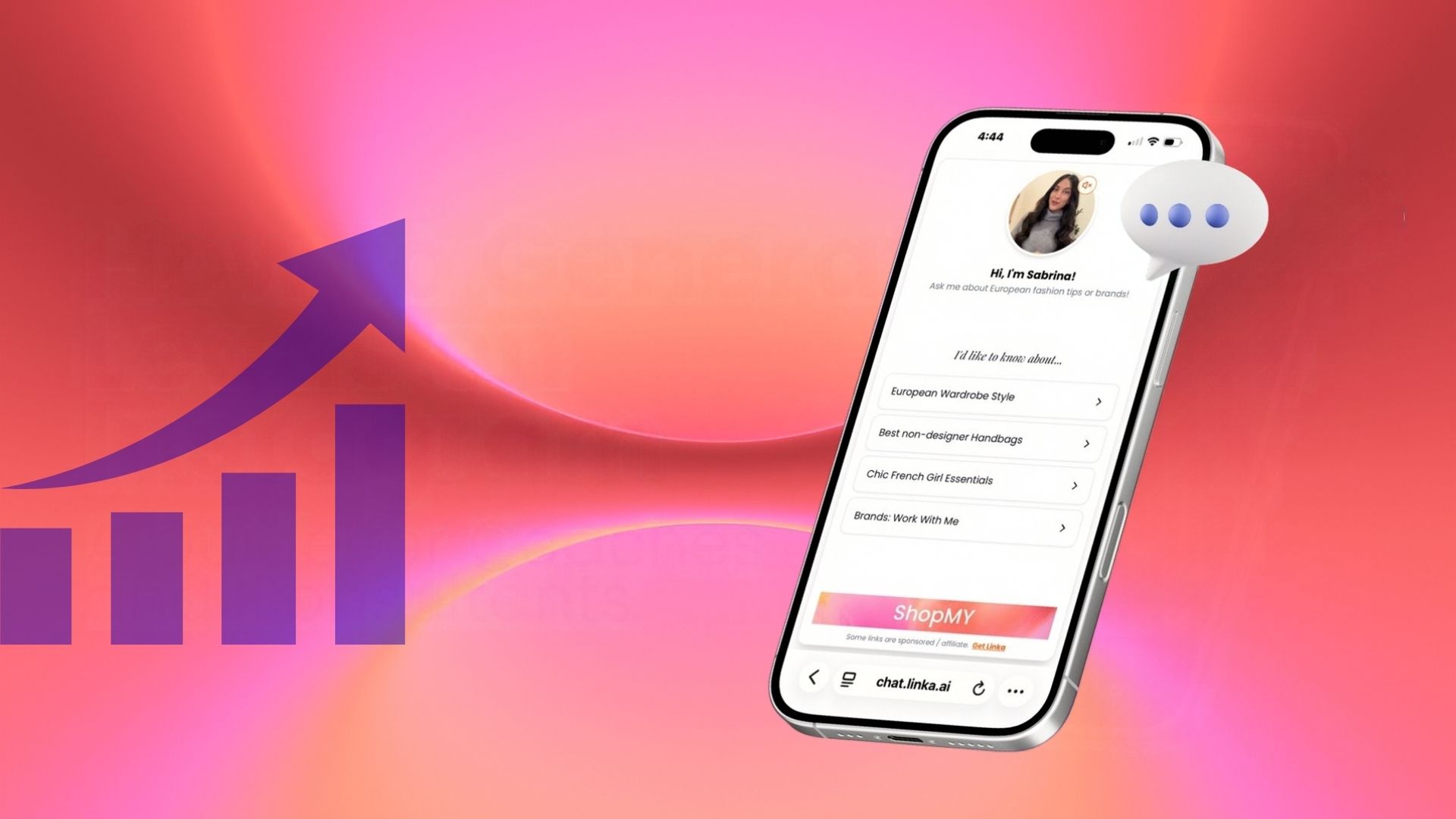
Most coaches don’t need another generic chatbot. They need something that feels like a competent assistant who already knows their offers, pricing, and process. A Linka AI agent is trained to answer questions the way you would, not in vague scripted replies.
Once it’s live, your agent can greet visitors on your site, in your link-in-bio, and even inside DMs, then qualify them, share the right offer, and send serious prospects directly to your booking link or application form. You don’t have to jump into every single conversation yourself.
Find Out How to Get Clients as a Coach With Linka
When your message, your visibility, and your conversion infrastructure are aligned, your business stops depending on momentum and starts running on structure. That's a different experience on every level, including how you feel about the marketing side of your work.
When you're ready to see how those pieces fit together, explore the Linka demo and find out how our team builds AI sales agents for coaches and service professionals that work across every channel, around the clock.
Ready to turn your audience into revenue on autopilot? Start for free with Linka →
.webp)