.webp)
.webp)
There’s a stretch of the buying journey that no one has ever sent an invoice for. It begins the moment someone clicks and ends whenever they finally decide, and it’s getting longer by the season. The click to purchase gap is the distance between the moment a shopper shows interest and the moment they actually buy, and the measurements now available suggest it has stretched considerably.
impact.com's Prime Day 2026 benchmark, drawn from 1,364 North American retail brands, found the average shopper journey lengthened from 9.37 days to 11.01 days year over year. Across the same window, clicks rose 9% while conversion rate fell 31% and transactions fell 25%. More people are raising their hands. Fewer are closing their wallets. The interval between those two acts is where the modern sale is won or quietly abandoned, and almost no brand is paying for anything that happens inside it.
What the Click to Purchase Gap Looks Like in 2026
Prime Day used to be a four-day event. This year it behaved more like a month with a loud weekend attached.
The impact.com research found that average daily consumer spending in the run-up rose 14% year over year, while spending during the four official event days fell 45%. Shoppers didn’t lose interest. They arrived early, browsed longer, and made up their minds on their own schedule rather than Amazon's.
The annual picture tells a gentler version of the same story. impact.com's first-half benchmark, covering 2,319 brands, recorded clicks up 6% against a 12% drop in conversion rate, with average order value climbing from $111 to $130. Shoppers bought less often and spent more when they did.
That deliberation isn’t idle scrolling either. Numerator's 2026 Prime Day tracker found more than half of Prime Day shoppers compared prices across retailers before completing a purchase. The extra days were spent working, not wandering.
That’s eleven days of comparison and half-formed questions, during which your creator's content, however good, is aging quietly in a feed that has already moved on.
Why Shoppers Are Taking Longer to Decide
Ask a marketer why conversion is down and you’ll usually hear about the economy. That answer isn’t wrong, though it’s incomplete.
Research phase shopper behavior has changed in ways that have little to do with confidence and a great deal to do with availability. A shopper today can consult reviews, comparison sites, three creators, a subreddit and an AI assistant before dinner. Every one of those consultations produces an answer, and most answers produce another question.
That yields a compounding effect. Awin's analysis of its own platform data found that shopping journeys involving AI tools take roughly sixty percent longer to complete on average and involve substantially more steps before purchase, a pattern documented in Awin's two-year review of the affiliate landscape. Awin's own conclusion is worth sitting with; AI is adding consideration rather than removing it.
So the tools built to simplify shopping have lengthened it. A shopper with more information is not a shopper with more certainty. They’re a shopper with a longer list of things to check.
Who Owns the Middle of the Funnel Right Now?
Follow the money and the answer is nobody in particular.
The creator gets paid for the post, or for the click if the program is a good one. The coupon partner gets paid at checkout, having arrived at the last possible moment with a code. Between them stands a shopper with a specific, unglamorous, deal-deciding question. Does this work on curly hair. Will it ship before the fourteenth. Is the larger size worth the difference.
Somebody answers that question, or nobody does and the sale evaporates. Either way, the answering is unbilled and unrecorded.
This is the practical failure of mid funnel attribution. Last-click reporting can only credit the final step of a journey that now has many, which means the partner who resolved the objection on day four gets nothing while the partner who supplied a code on day eleven gets everything.
impact.com's own reading of its Prime Day data lands in the same place. Their guidance to brands was to reach shoppers before they build their shortlist, and to invest in content that answers what shoppers ask while they are still deciding. That’s consideration phase marketing described plainly, by a company with no product to sell in the direct message.
What Brands Are Actually Paying For
Look at a standard creator campaign and count the compensated events.
There’s usually one. Sometimes two if affiliate commission is attached. A brand pays for reach, and then waits, hoping that reach turns into revenue through a process it can’t observe and would struggle to describe.
Meanwhile the discipline elsewhere in the program has tightened considerably. The first-half research found commissions rose to ninety percent of total brand spending while non-action-based payments fell nineteen percent. Brands are more rigorous about outcomes than they have ever been, especially the ones that happen to be visible.
The customer journey length has doubled the amount of time during which a brand is spending nothing and learning nothing. When brands don't calculate what that costs you at the account level, it can be an uncomfortable place to start.

How to Price the Click to Purchase Gap
An event you can’t measure is an event you can’t pay for. So the work begins by making the middle of the funnel legible.
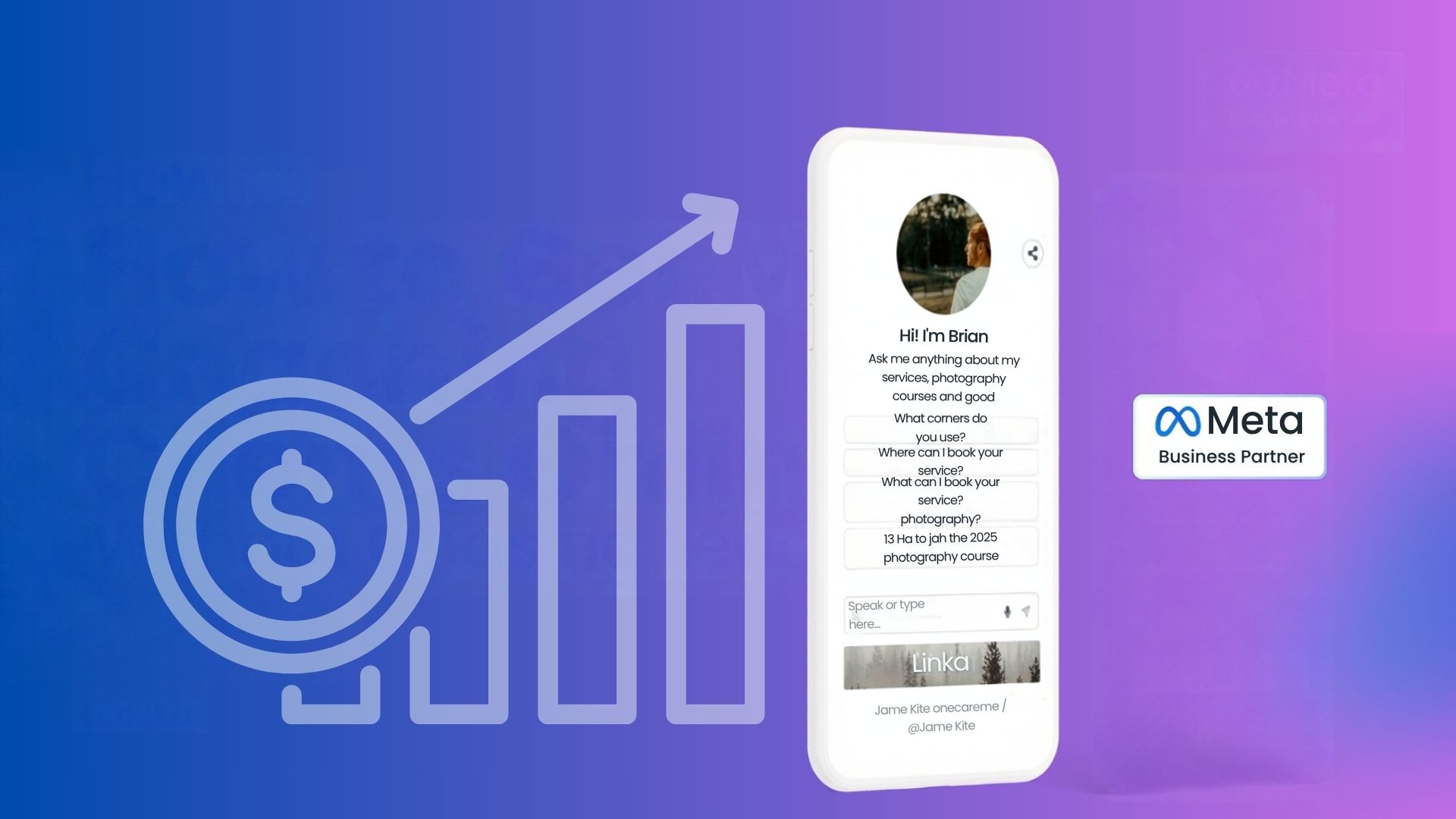
Linka does this by treating the conversation as a countable performance event. Through Meta DM automation, a comment on a creator's Instagram post triggers a tracked direct message carrying the product, the offer and the next step. The qualified DM becomes a recorded, compensable moment rather than a rumor, and creators earn on it alongside affiliate commissions rather than instead of them.
From there the shopper moves into a dynamic discount conversion page built for that specific campaign, holding the product, the creator's recommendation, the offer and a clear path to purchase in one tracked place. Code copies, clicks, leads and purchases all register against the campaign that produced them. Between campaigns, approved products sit inside creators' AI Shops, an always-on multi-brand experience that keeps answering buyer questions long after a post has stopped circulating.
For a brand rebuilding its plan around a longer journey, that produces a few things worth having.
- A compensable event inside the consideration window, rather than one at each end of it
- A record of what shoppers actually asked, which objections recur, and where the drop-off happens
- Attribution that follows the shopper from comment to conversation to conversion page to checkout
- Creator activation across existing relationships, since brands can connect through AWIN, Rakuten, CJ, Impact, Shopify or a direct product feed
No platform can promise a sale, and Linka doesn’t either. What becomes possible is narrower and more useful. The eleven days stop being a dead zone in the reporting and start producing evidence a brand can act on before the next campaign.
The Middle Is Where the Sale Happens Now
Every year the click to purchase gap widens a little more, and every year the industry responds by optimizing the two moments at either end of it with greater and greater precision.
Shoppers took almost two additional days to decide this year. More than half of them spent that time comparing. Somewhere in those days, a question went unanswered and a sale went elsewhere, and no report anywhere recorded the loss.
The brands that fare best through Q4 will be the ones present during the deciding rather than shouting on either side of it.
Want to see what happens inside the click to purchase gap? Book a call with Linka or take a look at Linka's affiliate marketing platform for brands to make the middle of your funnel measurable before the holiday season starts.
.webp)