.webp)
.webp)
The offer arrives and the number looks generous. Thirty percent, sitting there in the subject line, roughly triple what the last brand offered. You sign up, post about the product to an audience that genuinely likes it, watch the comments roll in, and three weeks later the earnings report shows almost nothing. Nobody lied to you. You've just learned that the commission rate is the least informative number in the entire agreement, and that learning to choose an affiliate program takes more than reading the headline.
Creators tend to compare offers on the one variable brands advertise, while the variables that determine the actual payout sit further down the terms page where nobody looks.
Why The Commission Percentage Misleads So Reliably
Anyone learning to choose an affiliate program runs into the same trap early, because a percentage without a price attached means nothing. A program paying 50% on a $10 product hands you $5 per sale. A program paying 20% on a $500 product hands you $100. That second offer looks worse in every marketing email and pays nearly seven times better per conversion.
Average order value is only the first of the numbers hiding behind the headline. Before you choose an affiliate program, four figures deserve more attention than the rate:
- Average order value, which sets the actual dollar amount behind any percentage
- Conversion rate, which decides how many interested people become buyers
- Cookie window, which decides how long you stay credited after someone clicks
- Attribution model, which decides whether you get credit at all when someone else touches the sale later
- Payment threshold and timing, which decide when the money reaches you
Industry benchmark compilations for 2026 put the global average commission rate at roughly 9.2% of sale value, which tells you that a headline rate well above that is usually compensating for something, and a rate below it might be sitting on excellent economics.
What Does The Cookie Window Actually Cost An Instagram Creator?
This is where creators on Instagram get quietly hurt more than creators anywhere else. The cookie window is the period after someone clicks your link during which a purchase still counts as yours. The commonly cited average sits around 30 days, though reporting on 2026 program data suggests a meaningful share of programs have moved to windows of seven days or shorter.
Think about how buying actually works on Instagram. Somebody watches your Reel on a Tuesday, saves it, thinks about it for a few days, sends you a DM asking a question over the weekend, mentions it to a friend, and finally buys the following Thursday. That's a completely normal path, and it takes longer than a week.
A seven-day window barely inconveniences a coupon site where the gap between click and checkout is four minutes. It removes a large share of your earnings entirely. As the affiliate platform Tapfiliate puts it in its 2026 breakdown of commission rates, the cookie window functions as part of your compensation even though it never appears as a commission number, and last-click attribution penalises creators who introduce a customer without closing them.
Run the comparison honestly and a 12% commission with a 60-day window will often beat 25% with a 7-day window for an Instagram audience. Anyone who's learned to choose an affiliate program the hard way already knows this.
Which Structures Are Worth Holding Out For?
Some terms matter more than others depending on what you promote. Recurring commissions, where you keep earning monthly while a customer stays subscribed, have become the structure experienced affiliates prioritise most, and reporting on 2026 affiliate surveys suggests a clear majority now favour recurring arrangements over higher one-time rates.
Terms worth reading closely before you commit:
- Recurring Versus One-Time: A 20% recurring commission on a subscription outperforms a 40% one-time payout within months, provided customers stay.
- Performance Tiers: Plenty of larger programs raise your rate once you hit volume, which matters far more over a year than a single percentage point at the start.
- Exclusions and Carve-Outs: Some programs exclude sale items, subscription renewals, or entire product categories, and those exclusions don't tend to appear in the pitch.
- Rate Locks: A guaranteed rate for a set period protects you from a brand quietly reducing commissions after your content is already published.
- New Customer Bonuses: Programs that pay more for first-time buyers reward exactly what creators do best, which is introducing people to something new.
Earnings per click is the number that ties all of this together. A program with a modest rate, strong conversion, and a long window can produce better earnings per click than a flashy offer that converts badly. Comparing offers on earnings per click rather than commission percentage is easily the single fastest upgrade to how you choose an affiliate program.
What Should You Look For Before You Choose An Affiliate Program?
For example, imagine two skincare offers landing in your inbox the same week. The first pays 30% on a $35 cleanser with a 7-day window. The second pays 15% on a $180 serum set with a 45-day window and a tier that lifts you to 20% after ten sales. The first offer pays $10.50 per sale to an audience that mostly buys within a week. The second pays $27 per sale, credits you for the slower buyers who make up most of Instagram, and improves once you prove the audience converts. The generous-looking offer isn't the better one, and it isn't close.
When you choose an affiliate program, red flags worth walking away from include vague attribution language, windows under seven days, no stated payment schedule, and any program that reserves the right to change rates without notice on content you've already published.
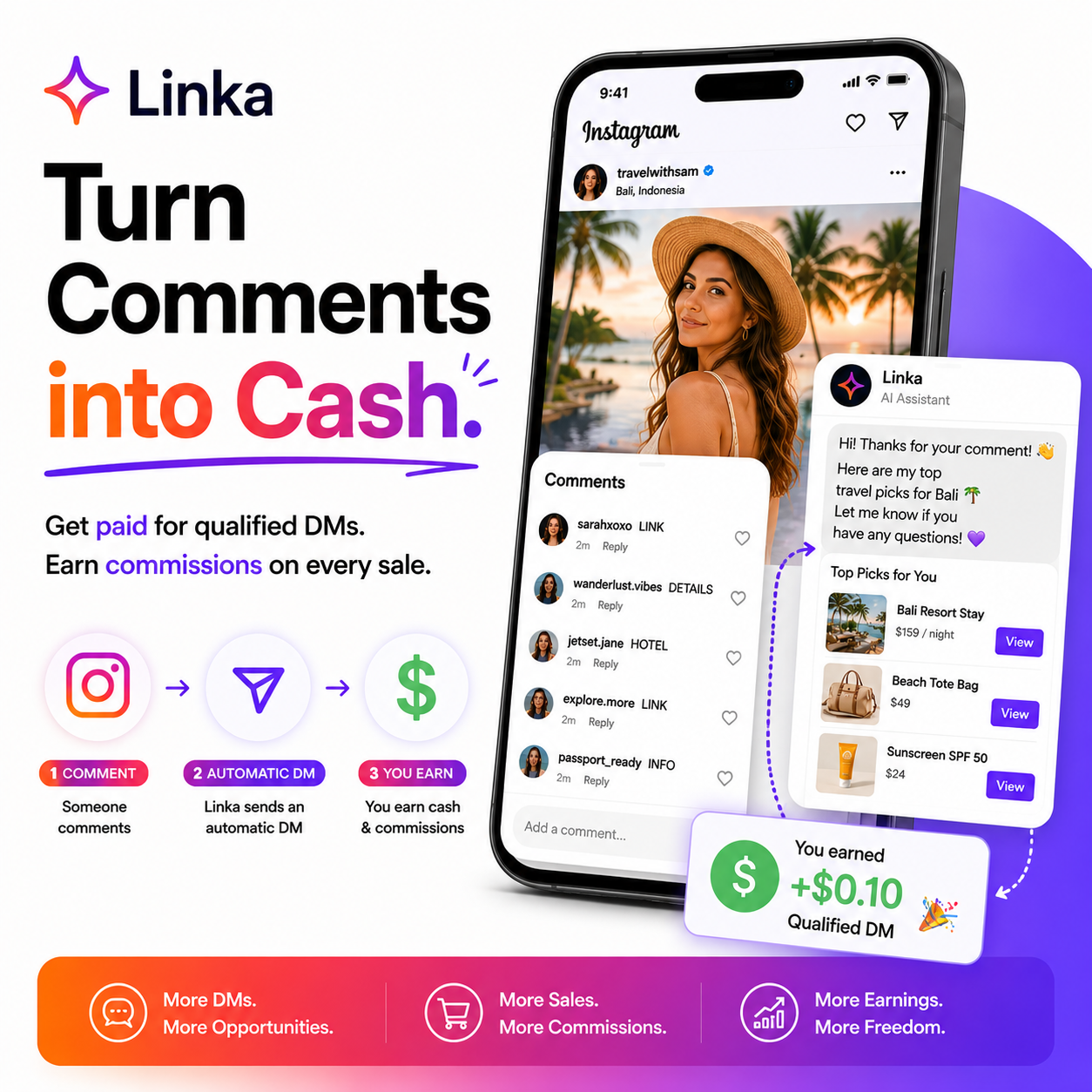
Our approach at Linka removes some of this evaluation work by giving creators access to thousands of brand offers in one place, with commission rates, paid DM rewards, and campaign details visible before you join anything. You can still choose an affiliate program badly, and knowing what to look for remains your advantage.
Learning to choose an affiliate program well is a skill that pays for the rest of your career, because the same terms show up in every offer you'll ever receive. Read past the percentage, run the arithmetic on order value and window length, and the best affiliate programs for creators start looking noticeably different from the loudest ones.
Frequently Asked Questions About How to Choose an Affiliate Program
What counts as a good affiliate commission rate?
That'll depend entirely on price point and category. Rates around 9% sit near the global average, though a 5% rate on high-priced items can pay far better than 20% on inexpensive ones. You're better off judging the offer on dollars per conversion than on the percentage itself.
How long should an affiliate cookie window be for Instagram content?
Thirty days is the common benchmark and works reasonably for social audiences. Anything under seven days is going to cost you real earnings on Instagram, since the path from discovery to purchase there routinely stretches past a week.
Is it worth joining a program with a lower rate but better terms?
Often, yes. A longer window, a higher order value, a performance tier, or recurring commissions each affect your total earnings more than a few percentage points. The rate gets you in the door, and the terms decide what you'll actually take home.
Read The Terms Before You Read The Percentage
You now know what to look for. The next step is having offers in front of you where those details are actually visible. Linka puts thousands of brand campaigns in one place, with commission rates, cookie terms, paid DM rewards, and campaign requirements laid out before you join anything.
Compare two offers properly, work out which one pays your audience's buying pattern rather than someone else's, and join the one that holds up. You'll never have to guess what's buried in a terms page again.
Want to compare real offers side by side instead of guessing? Browse the campaigns in our marketplace and see the rates, rewards, and terms before you commit to anything.
.webp)

.jpg)