
.webp)
.webp)
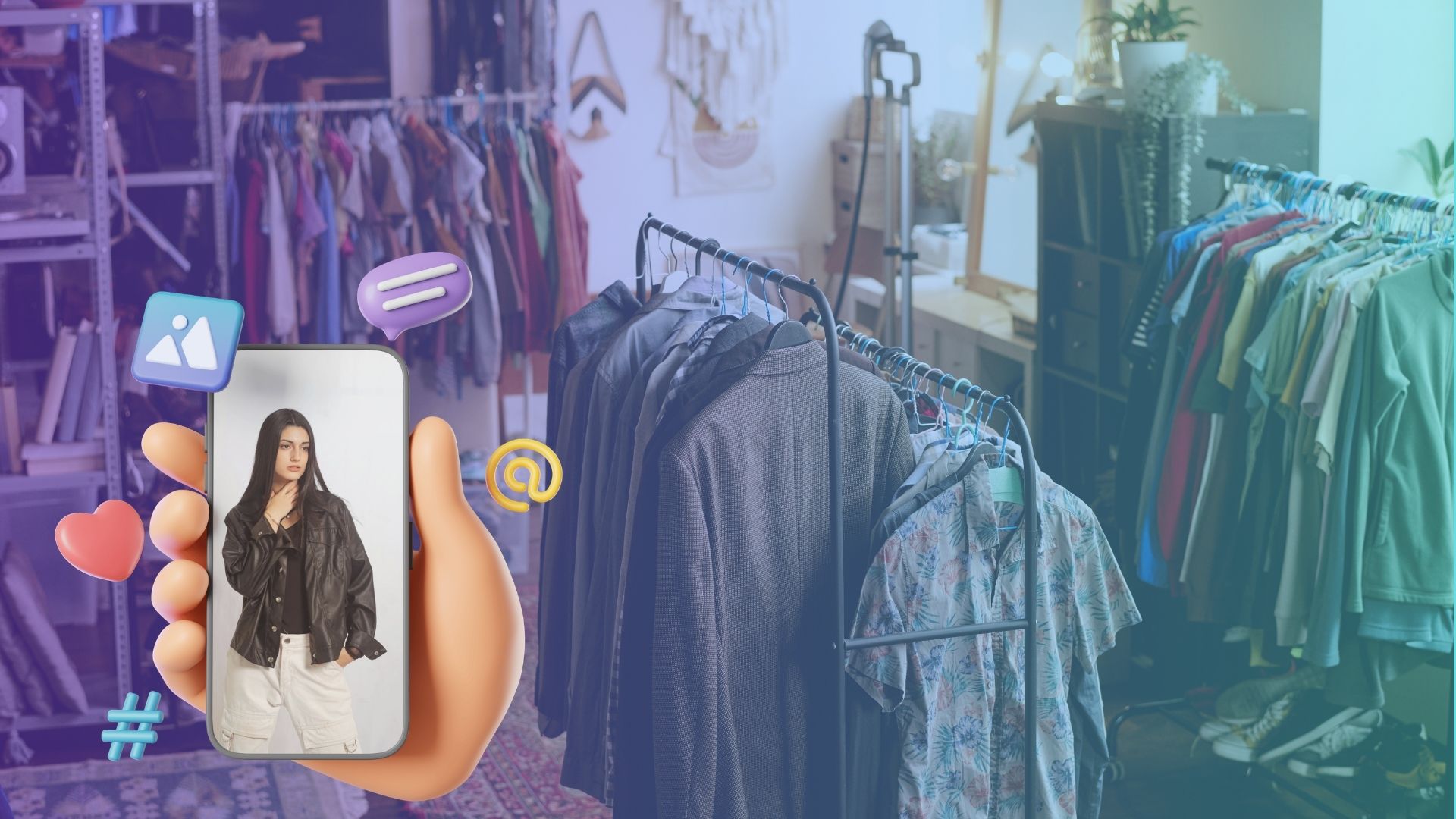
Somewhere between the couch and the checkout counter, most holiday shoppers do something your affiliate program wasn't built to notice. They research a product online, on a creator's post, a comparison page, a search bar, and then they go buy it in a physical store. It's a process called webrooming, and this past holiday season it was closer to the default than the exception.
Mastercard's SpendingPulse data for the 2025 holiday season, covering November 1 through December 21, found US e-commerce sales up 7.4% year over year while in-store sales grew 2.9%, attributing the pattern to shoppers who "browsed online for inspiration and price comparisons, then headed in-store to try on and purchase items." Visa's parallel holiday forecast found 73% of holiday transactions still happened in physical stores even as online research surged.
NRF projected the same season would cross $1 trillion in US holiday sales for the first time. That's three independent measurement systems and one converging story: the research is online, and a share of the purchase still isn't.
What Webrooming Looks Like This Holiday Season
Let's say a shopper sees a creator's post about a jacket, taps through, compares it against two other options in another tab, checks a size guide, and maybe asks a question in the comments. Then, instead of clicking buy, they drive to a store that weekend and purchase the same jacket off a rack.
Every part of that sequence except the last step occured somewhere trackable. The last step, the one that actually closes the sale, happened somewhere no affiliate cookie is able to follow.
This behavior isn't new exactly, but the scale of it during the most recent holiday season was pronounced enough that three separate payment and research organizations all flagged the same pattern independently. Apparel spending rose 7.8% in Mastercard's data specifically, the exact category where trying something on before buying still matters to a lot of shoppers.
The categories where webrooming shows up hardest tend to share one trait: the purchase depends on something a screen can't fully answer. Fit, texture, how a color actually looks in daylight, whether a size runs true. Those are exactly the questions a shopper is most likely to ask in a comment section before deciding whether the trip to the store is even worth making, which means the research phase isn't just happening online, it's happening in the one place a brand could theoretically be listening.
Why Affiliate Links Can't Follow the Shopper Into the Store
An affiliate link works by attaching a tracked identifier to a click, and that identifier only survives as long as the shopper stays inside the digital trail it was placed in. The moment someone closes the tab, drives to a store, and pays with a card at the register, the link's job is already over. It did its part. It just has no way to prove it.
That's the structural version of the attribution problem Instagram creators already run into with last-click reporting, where the platform closest to the sale gets the credit regardless of who actually did the convincing. Webrooming is the same failure mode wearing a different costume. The research happened. The influence happened. None of it survives the walk from the parking lot to the register.
Where the Research Phase Actually Happens
The uncomfortable part for a lot of brands is that the research phase, the part that actually decides the sale, is the part current affiliate infrastructure is worst at capturing.
We've written before about how the gap between the click and the purchase has been widening across the board, and this pattern is a specific, seasonal, highly concentrated version of that same gap. A shopper who's going to research online and buy in a store often won't click an affiliate link at all. They'll ask a question, in a comment or a DM, and then go handle the transaction somewhere the link was never going to reach anyway.
Mastercard's own data hints at where that research is happening. Online sales rose 8.5% and in-store sales rose 7% during the same holiday window, according to the company's omnichannel breakdown, both climbing together rather than one substituting for the other. That's consistent with a shopper doing real homework online, in a place with a comment section and a question box, before making the trip. A brand paying only for the click at the end of that homework is paying for the smallest, least informative part of it.
How Webrooming Changes What You Should Be Paying For
The part worth sitting with is what this means for pricing. If the purchase is always going to happen somewhere untrackable, paying only on the purchase means paying for almost nothing that happens during peak shopping seasons.
Linka's cost per DM model prices the event that actually is trackable in that journey, which is the conversation. When a shopper comments a keyword and gets a tracked reply carrying the product, the offer, and an answer to whatever question was standing between them and the store, that qualified DM is a compensable event on its own. That's whether or not the eventual purchase happens through a link, a discount code, or a cashier who never saw any of it. Where the purchase can be tracked, through a dynamic discount conversion page built for the campaign, affiliate commission stacks on top.
Play out the jacket example again with that system in place:
- A shopper compares options, checks the size guide, and asks a question in the comments.
- That interaction triggers a tracked conversation at the exact point their research is happening.
- The question is answered, and the qualified DM is logged and paid.
- If the shopper later purchases online through the conversion page, commission follows as well.
- If they decide to visit the store instead, the campaign has still generated measurable value rather than nothing at all.
This won't solve every in-store sale. No platform can reliably make a cash purchase trackable after the fact, and Linka doesn't claim to do that. What it changes is the portion of the customer journey that has always been visible. That's the question, the conversation, and the answer. Instead of treating that high-intent engagement as worthless simply because the final purchase happens somewhere else, Linka makes it something brands can measure and pay for.
Stop Losing Credit for Webrooming Sales
This behavior isn't a trend that's likely to reverse. If anything, the most recent holiday season shows it hardening into the default way a meaningful share of shoppers buy. The question worth asking before the next Q4 planning cycle isn't how to stop it, but how to get paid for the part of it that was always yours to begin with.
Ready to stop losing credit for webrooming sales? Book a call with Linka or explore Linka's affiliate marketing platform for brands to see what a webrooming-proof pricing model looks like.
.webp)
.jpg)
.jpg)